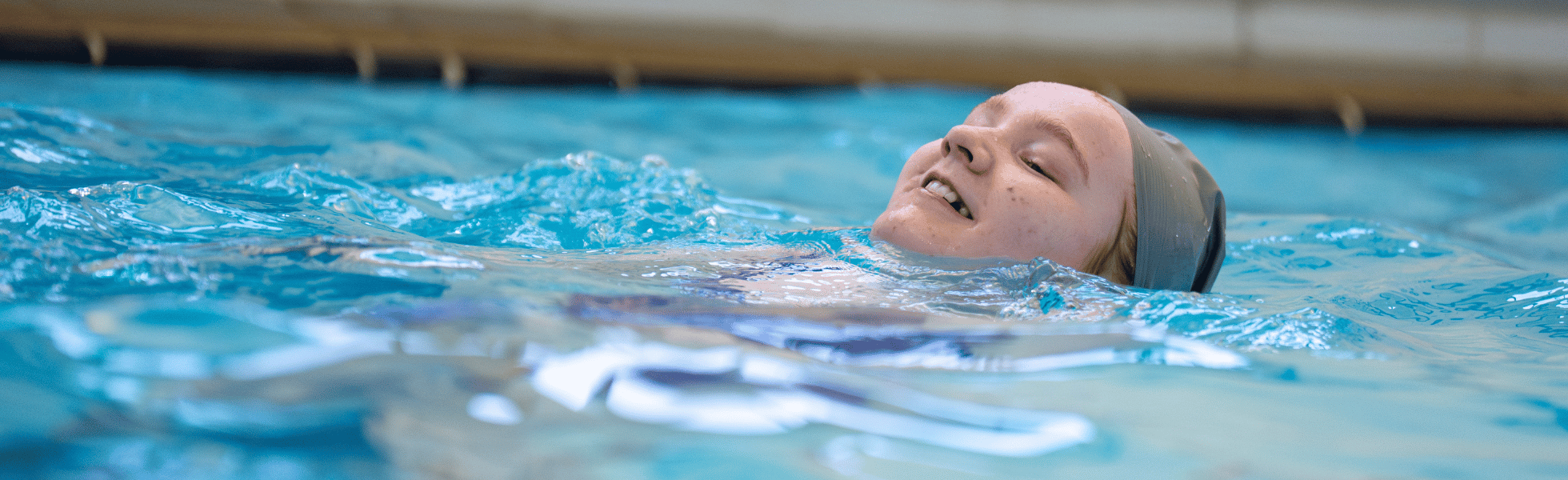
Recent warm weather has sadly been accompanied by a number of tragic incidents across the UK, with lives lost in rivers, reservoirs, lakes and coastal waters. These incidents serve as a powerful reminder that open water can be unpredictable and dangerous, even for experienced swimmers.
That's why we're proud to be supporting National Drowning Prevention Week alongside our council partners, Staffordshire Moorlands District Council and High Peak Borough Council. We're also working alongside local organisations including the High Peak School Sport Partnership, emergency services, schools and community groups to help raise awareness of water safety and share potentially life-saving advice with people across our communities because we believe being active should be positive, enjoyable and, above all, safe for everyone.
Alongside this, MyActive colleagues are working with primary, first and middle schools across Staffordshire Moorlands and High Peak to promote water safety awareness among children and young people. Through school visits, assemblies, partnership activities and links to our swimming lesson programme, we are helping pupils understand the risks associated with open water, develop confidence around water, and learn simple actions that could help save a life.
We are supporting national messaging promoted by organisations including the Royal Life Saving Society UK (RLSS UK) and the National Water Safety Forum, while reinforcing local efforts to help prevent accidental drowning and keep people safe around water.
As a community-focused active wellbeing organisation, we want people to enjoy being active around water while understanding how to do so safely. Water safety is also an important part of our swimming lesson programme, where children and young people learn not only how to swim confidently, but also how to recognise risks, make safe decisions around water and understand what to do in an emergency. Through Swim England's Learn to Swim framework and dedicated water safety modules, we help develop essential life skills that can make a real difference both in and beyond the pool.
Why is open water so dangerous?
Water safety organisations have described the number of recent deaths as a growing public health concern, with many incidents occurring in unsupervised inland waterways where there are no lifeguards present. Many people underestimate the risks associated with open water. Unlike a swimming pool, open water environments are uncontrolled and can contain hidden hazards such as:
- Cold water shock
- Strong currents and undercurrents
- Sudden changes in depth
- Poor visibility
- Submerged objects and debris
- Steep banks that make it difficult to get out
Even during warm weather, water temperatures can remain dangerously cold. Water safety experts continue to warn that cold water shock can affect anyone, regardless of age, fitness level or swimming ability, causing involuntary gasping, panic and loss of control within seconds.
Simple water safety advice
- If you are spending time near water this summer:
- Always choose supervised swimming locations where possible
- Never enter water after consuming alcohol
- Avoid swimming alone
- Respect warning signs and local safety advice
- Enter water gradually rather than jumping straight in
- Keep children under close supervision at all times
- If you unexpectedly fall into water, remember to "Float to Live" by leaning back, extending your arms and legs, and controlling your breathing until help arrives
If someone else gets into difficulty, call 999 and ask for the appropriate emergency service. Avoid entering the water yourself unless trained to do so.
The RLNI have shared the following advice:
However you end up in the water, if you are struggling, float to live. Tilt your head back, move your hands and legs and relax to control your breathing. Share this skill with friends and family - it could save their life.
Take a look at their float to live guide and access lots more information and guidance in their handy toolkit.